
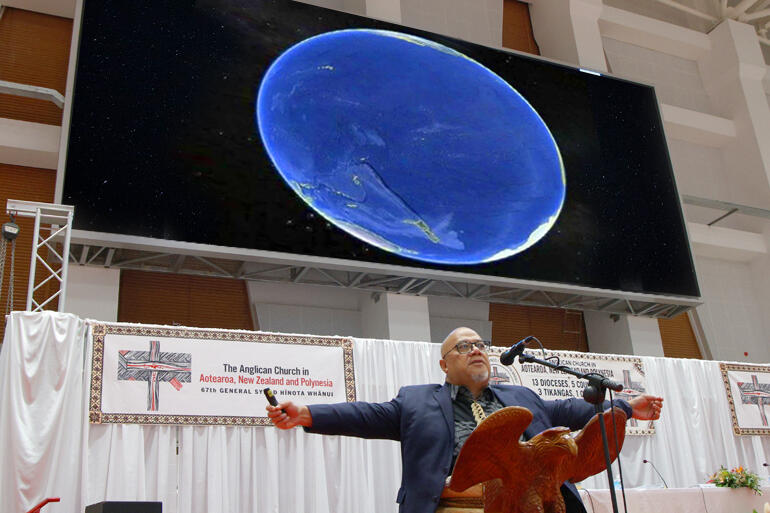
Te Hīnota Whānui 2026 turned toward the sea for its second talanoa session of the Synod opened by oceans advocate Taholo Kami from the International Union for the Conservation of Nature, who is their Regional Director for Oceana and the Pacific.
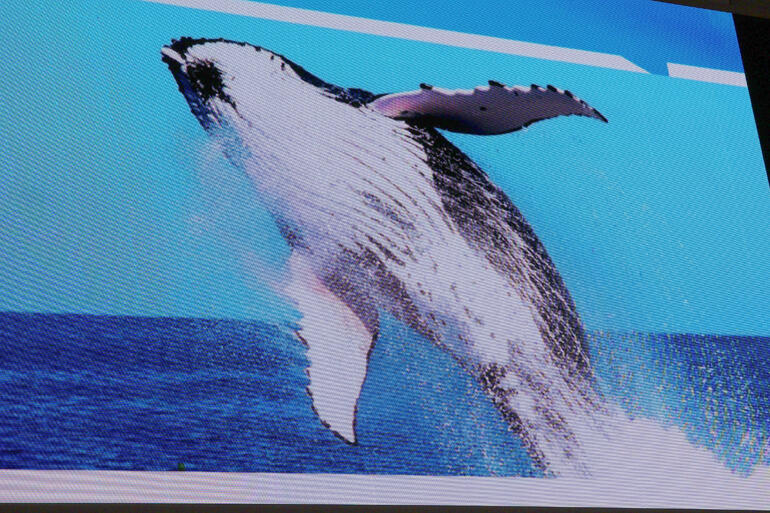
Taholo showed Synod the image of a globe filled entirely with the vast blue of the Pacific Ocean, which he reminded Synod; comprises 46% of the world's oceans, and covers 30% of the earth.
Kami shared how the oceans that were navigated so well by our Pacific ancestors, protect all life on earth. He pressed Synod to remember that our oceans provide more than 50% of the oxygen we breathe, and:
– Absorb 90% percent of the planet's excessive heat
– Regulate our weather patterns and rain cycles
– Host 80% of all non-human life on earth, and
– Provide humanity with our largest source of protein
Taholo then asked delegates to ponder the sheer scale of oceans in God's plan for Creation.
"We have to ask, "What is God's intent with this, and what does dominion mean to us?
"If you stand back from Genesis... it's almost like God said, I've made this great cathedral of the waves and I am well pleased...and then...
"...I'll pass it to the people. You guys screw this up, kill as much as you can."
Kami spoke of the need to shift human thinking on the ocean past dominion or stewardship – toward guardianship. Too often he hears our countries' leaders talk about ocean management and stewardship, but then sees them buckle with the economic pressure to allow or enable overfishing, overharvesting or mining.
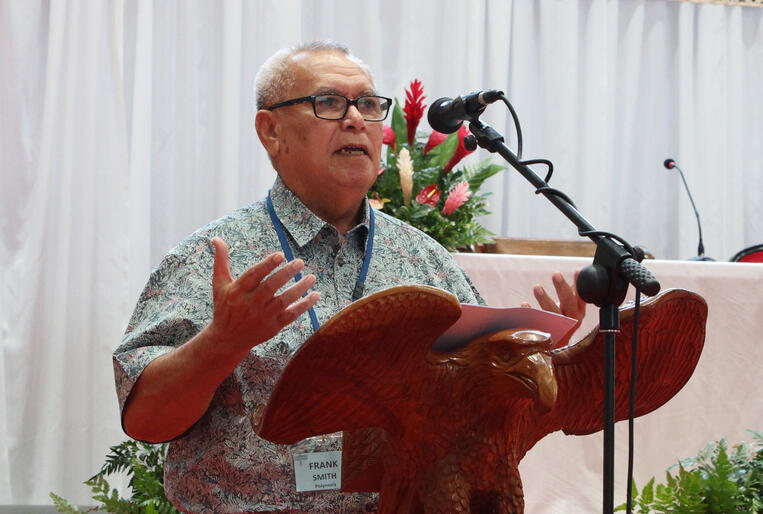
Samoan Anglican theologian from St John's Theological College, Dr Frank Smith backed Kami's challenge, emphasising a theology of interrelationship with the oceans instead of the approach of plunder that sends human beings to the sea to extract oil, minerals or excesses of fish.
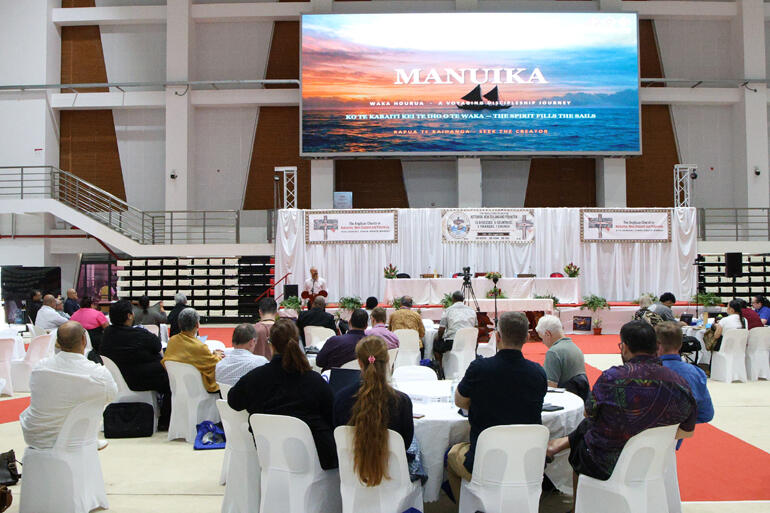
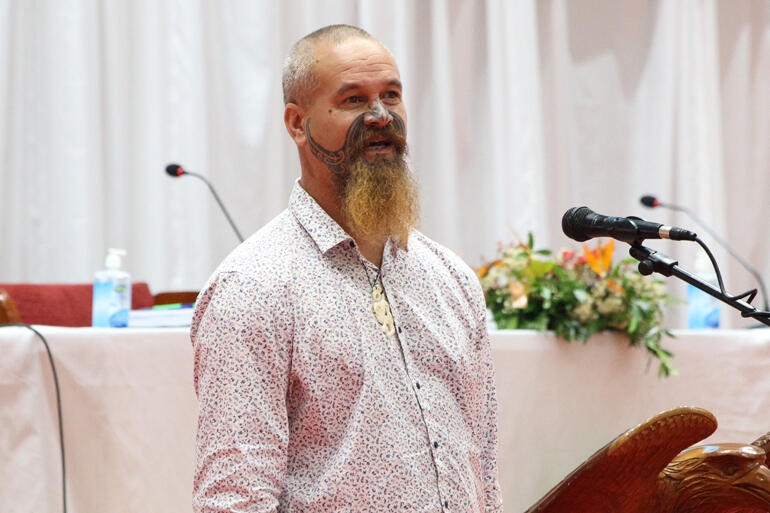
Eli Tapine from Te Pīhopatanga o Aotearoa shared the vision of Manuika, a new waka-based mātauranga-led programme centred on building up Christian discipleship through sailing and indigenous learning. He told Synod how it aims to lead rangatahi into an understanding of Christ's role as the wayfinder in their lives through the practical experiences of life on the waka.
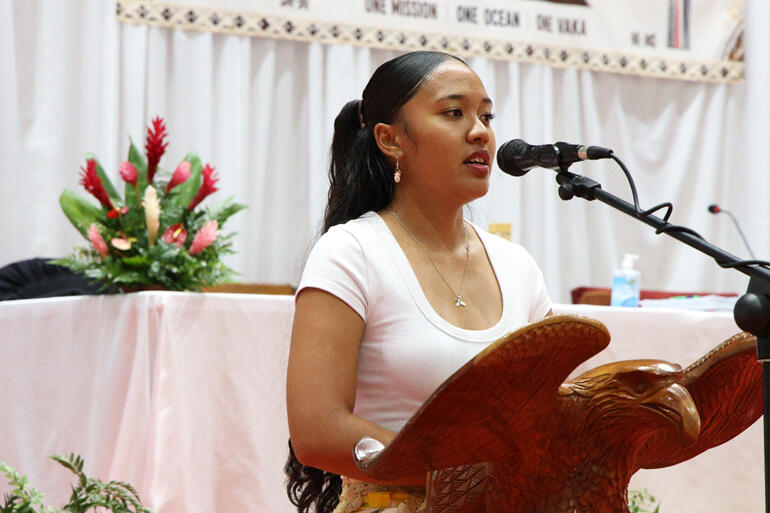
Kakala Tevi added her insights on voyaging with the Uto Ni Yalo in the 'Sails for Hope' project, explaining how the vaka serves as a home, a family and a floating classroom bringing together traditional voyaging and oceanic knowledge, with insights from climate and oceanic sciences. But it also gave her a new perspective on faith.
"On the vaka, it's just you, the ocean, the waves, and you're just in the elements of God's creation." she said.
"There's no better place to be than in God's creation to think about and experience what he has given us."
Kakala shared how the Sails for Hope teaching on oceanic heath and climate change is helping shape a future where our Pacific church journeys more closely with its ocean.
"Sails for Hope is a voyage of faith in motion, inspiring communities, nurturing young leaders, and renewing our calling to care for our moana. As we sail forward together, we carry one message: we are the ocean, and together we are guardians of hope," she said.
During his presentation Taholo Kami directly challenged Anglicans to raise their voices in defence of the oceans, when so few others can advocate for oceans without compromise.
"My challenge to the church is maybe we can do a better job of protecting the oceans from the damages caused by human activity – because what we're dealing with is the problem of human nature."
"If anyone is an expert on sin and human nature and grace and hope, that's the Church..." he told Te Hīnota Whānui meeting in Nuku'alofa.
"And saving the ocean also will save our people."







Comments
Log in or create a user account to comment.