
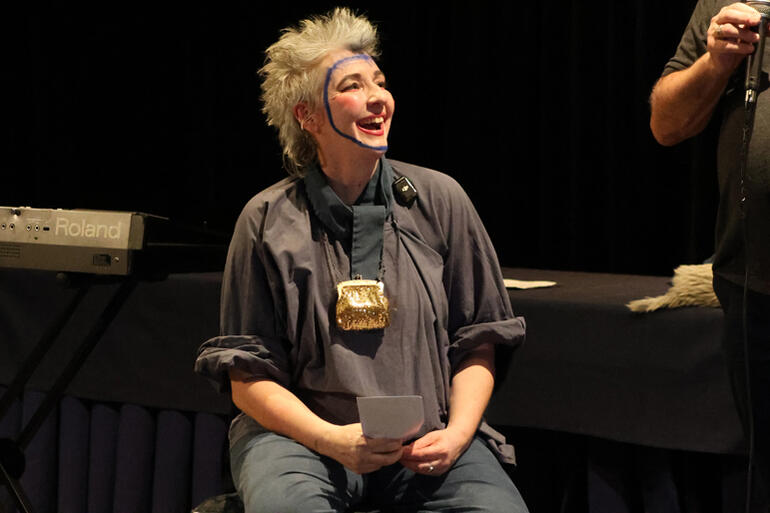
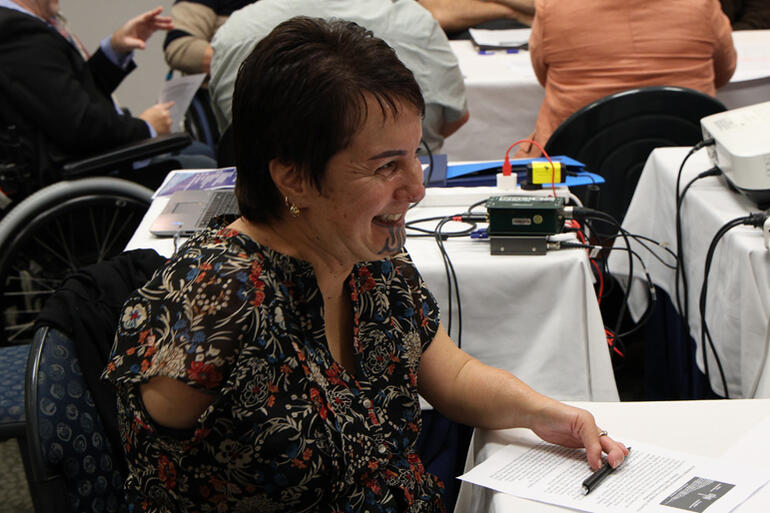
After a day of hard work last Saturday the Anglican Disability Ministry Summit's evening live theatre performance was a highlight for many, as they watched Wellington actor Jo Randerson unlock the chaos of life with Attention Deficit Hyperactivity Disorder (ADHD).
Jo's show, entitled "Speed is emotional" used music, sound, multimedia and performance to track the experience of negotiating life with ADHD.
Reverend Sarah Pidgeon from St Augustine's in Auckland was amazed at how Jo's show conveyed the interior life of their mind as a person with ADHD.
"They did so with so much wit and cleverness and a touch of sadness that I was drawn into their world, as were others watching."
"Anyone with neurodivergence and their friends and whanau would likely get a lot out of the play."
Why our theology matters
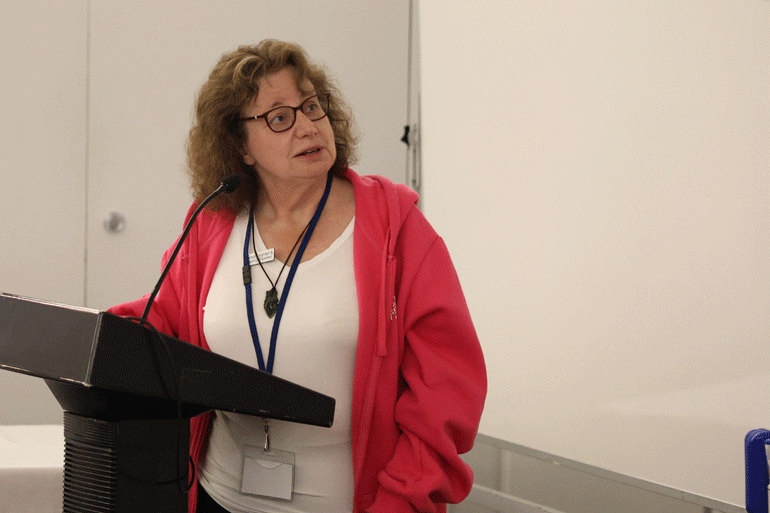
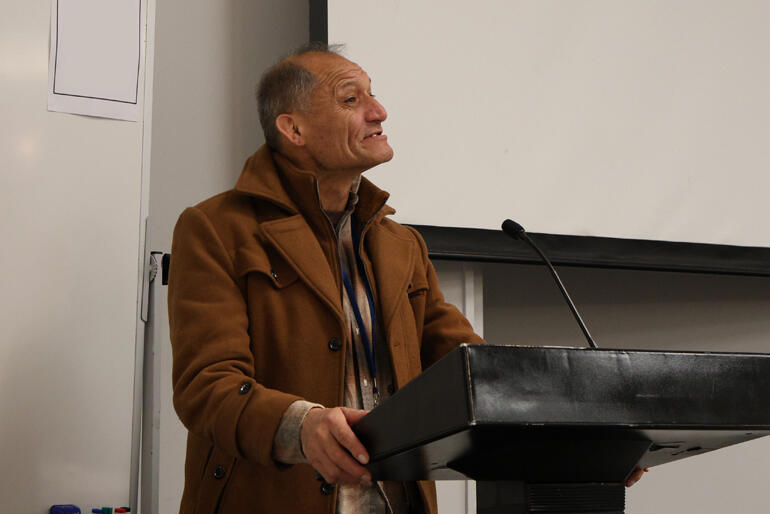
Earlier in a theology-packed morning, Carolyn Tregea from Wanaka, who is partially sighted and hearing impaired, took an aerial view of how society and the churches have responded to disability over the 20th - 21st centuries in Aotearoa New Zealand.
"We look back and see that not so long ago disabled people were institutionalised, removed from society, denied work and described in derogatory terms." she pointed out.
Reaching into her theology study at Otago University, Carolyn briefed the Summit on how theology can move churches into better practices on disability, or equally leave some with the same disabling attitudes.
While the UN Convention on the Rights of Persons with Disabilities provides one standard, she said, our ministry foundations need to come from well thought-out disability theology where theologians with lived experience are in the mix.
"We need churches to not only accept us, but to see us as contributors, looking to us as our Church's theologians and spiritual directors." she said.
Revisiting Anglican theology
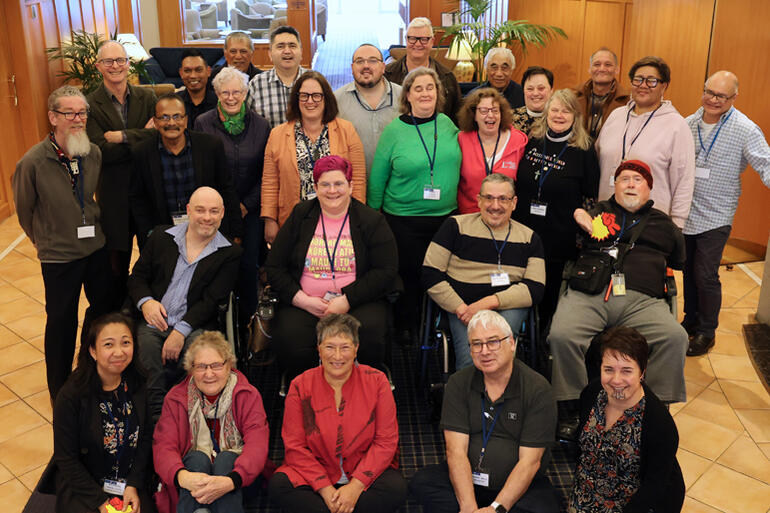
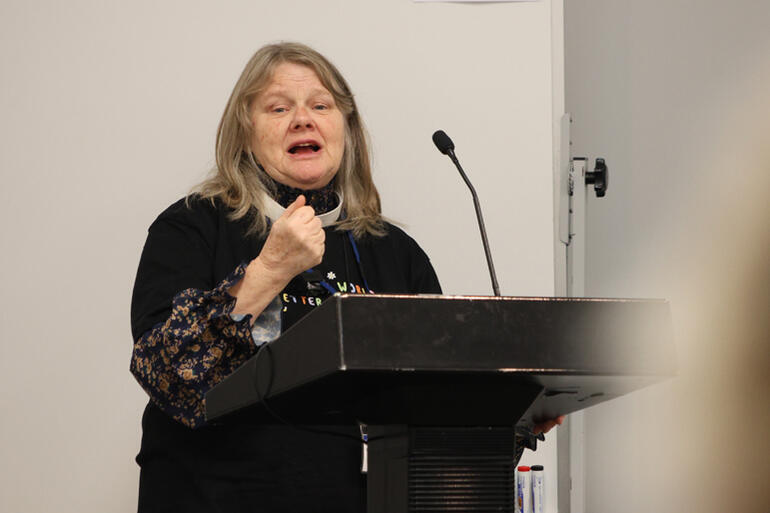
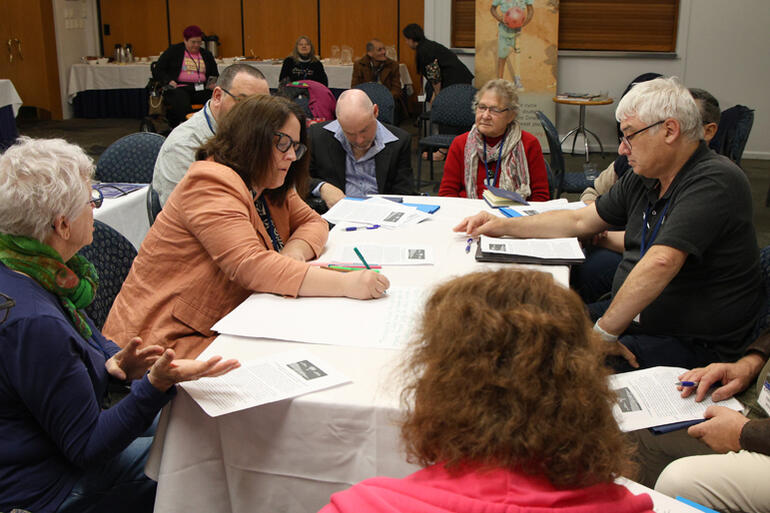
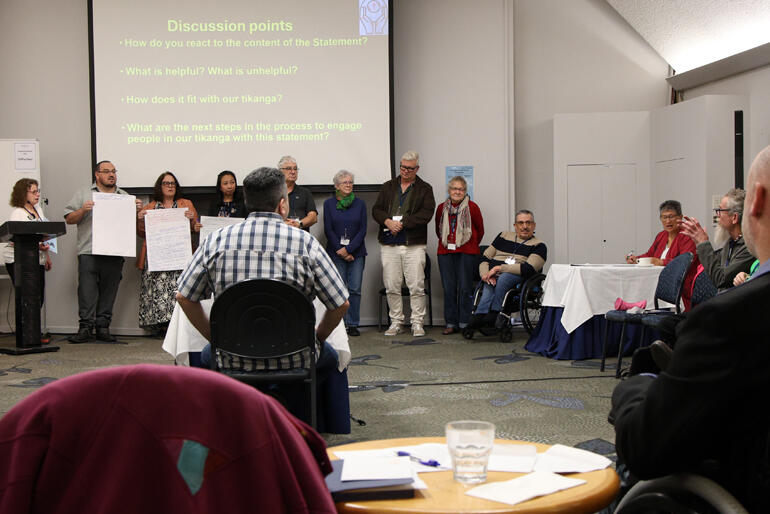
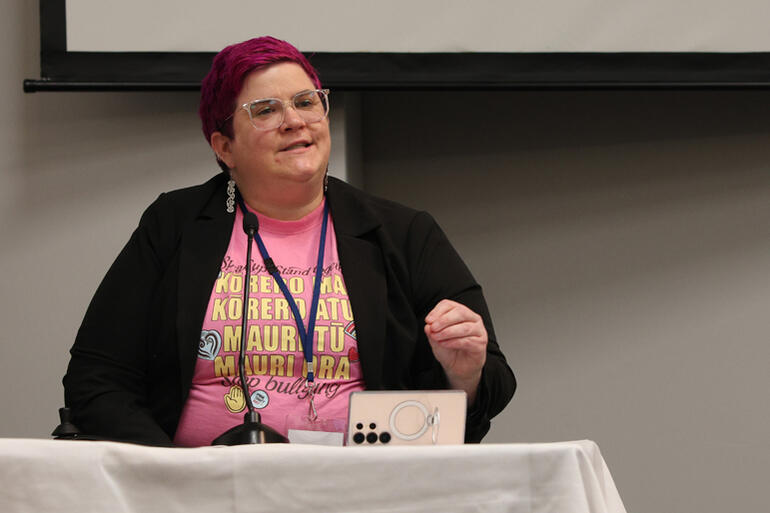
Rev Vicki Terrell helped the Summit unpack the Anglican Disability Ministry Network's Theological Statement on Disability calling for input to challenge or fortify the statement.
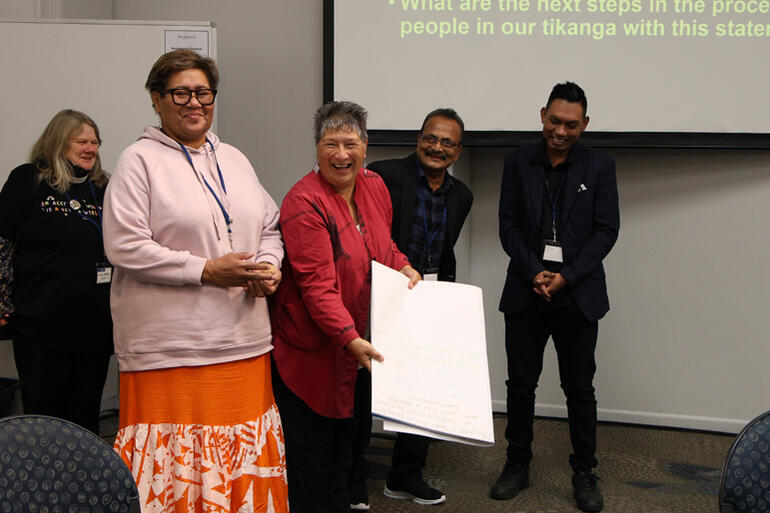
Tikanga Māori, Polynesia and Pākehā caucuses each scrutinised the text, and first to report were the Diocese of Polynesia delegates, who came back inspired to promote it in their diocese.
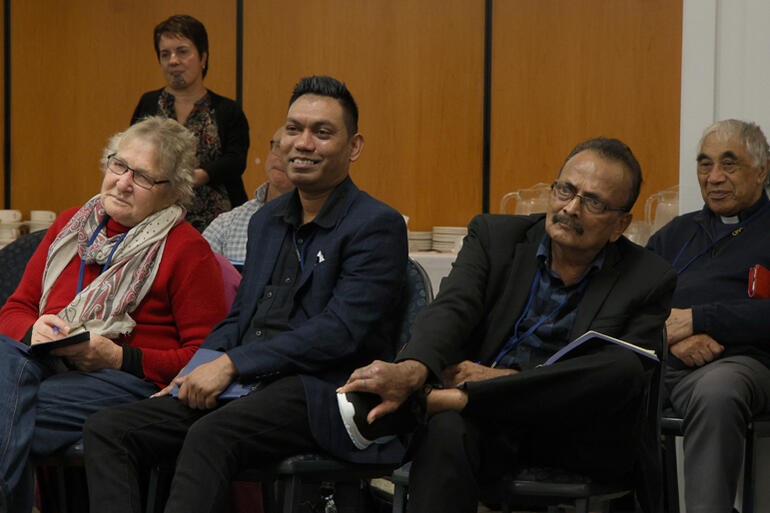
Sudesh Chand from St Matthew's Suva said disabled people in the Diocese of Polynesia are not always heard.
"In Fiji, there's this culture of holding yourself back and not speaking out. There will be people who are partially blind or deaf but they don't speak out in the group, only saying what didn't work for them as one to one later."
Sudesh says he will now go from the Summit to advocate for better inclusion in his church.
"We need to get the Theological Statement on Disability into Fijian, Hindi, Tongan, Samoan and our other languages." he said.
Dairne Kirton from Kaitaia (Te Hikutu), reported that the Māori caucus' conversation kept circling back to whanaungatanga.
"This is about whānau, about relationships." Dairne said.
"How can we form community if we don't know each other?"
"Most Māori disabled people identify as Māori first. The importance of their cultural identity, which encompasses language, whānau, cultural principles, practices and linkages to the land through genealogy, is paramount to how they live their day to day lives in both Te Ao Māori and Te Ao Pākehā."
Dairne would like to see wānanga across the church on disability-related language, particularly the term hauā, which is often understood through a deficit-based lens.
From a Te Ao Māori perspective, Dairne understands hauā as connected to the tamariki of Tāwhirimātea, representing the many hau (winds); each unique and powerful, reflecting the value and diversity of all people as part of God's creation.
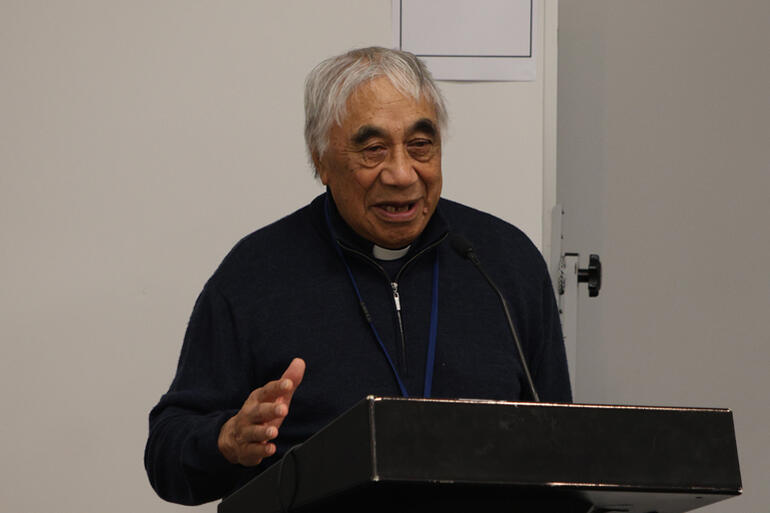
Clive Moeke and Rev Don Rangi argued for disability perspectives in theological education and in health and safety plans for marae and churches across Te Pīhopatanga o Aotearoa.
Tikanga Pākehā delegates suggested revising the order and emphasis of the Theological Statement to present a clearer, more positive vision for disability inclusion.
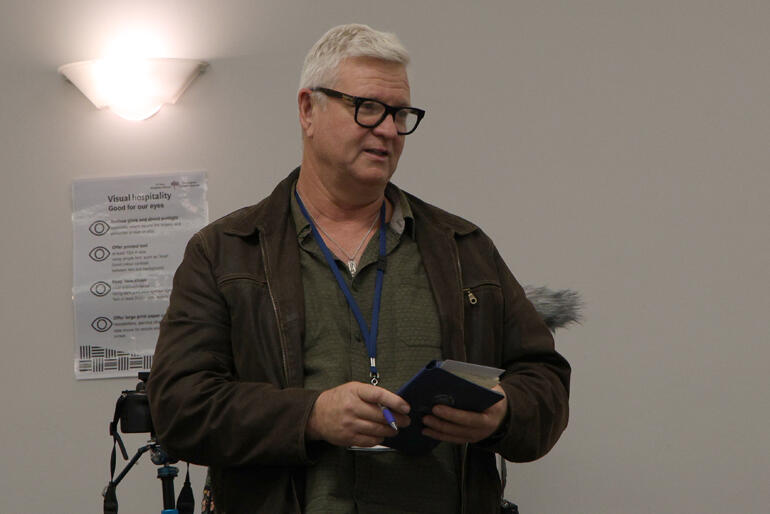
Evan Clulee, a CBM board member with lived experience of disability, commended the Anglican Church for its commitment to disability inclusion, parishes of belonging across Aotearoa, and the encouragement of disability leadership within the Church.
He affirmed that a theological statement on disability is valuable and necessary but should state the Church’s theology and position more clearly.
"Rather than beginning with what the Church seeks to avoid—barriers, stigma and exclusion— we could be foregrounding its vision for access, belonging and inclusion."
“What does human flourishing look like in an Anglican Aotearoa New Zealand context?” he asked, suggesting the Church should clearly outline its aims, including disabled people being recognised as full and equal partners in the gospel.
Working for justice
Prudence Walker, who is Aotearoa New Zealand's Kaihautū Tika Hauātanga – Disability Rights Commissioner, joined the Summit to speak on human rights frameworks and the mandate of the Human Rights Commission to advocate for disabled people's rights in Aotearoa New Zealand.
Prudence explained that Aotearoa New Zealand is a signatory to the UN Convention on the Rights of Persons with Disabilities, and that the role of the Disability Rights Commissioner as set out in the Human Rights Act is to monitor, promote and protect the rights of disabled people.
Prudence encouraged disabled people at the Summit to utilise the various functions of the commission, including dispute resolution, if they felt like they may have been discriminated against.
Keeping up with access
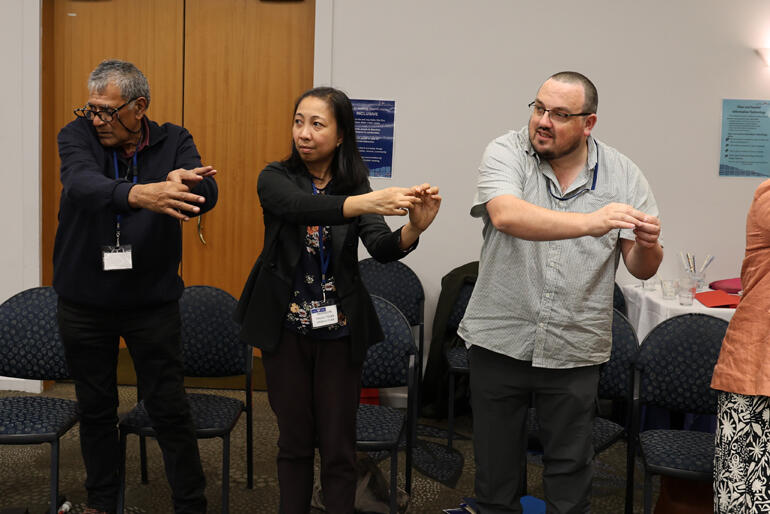
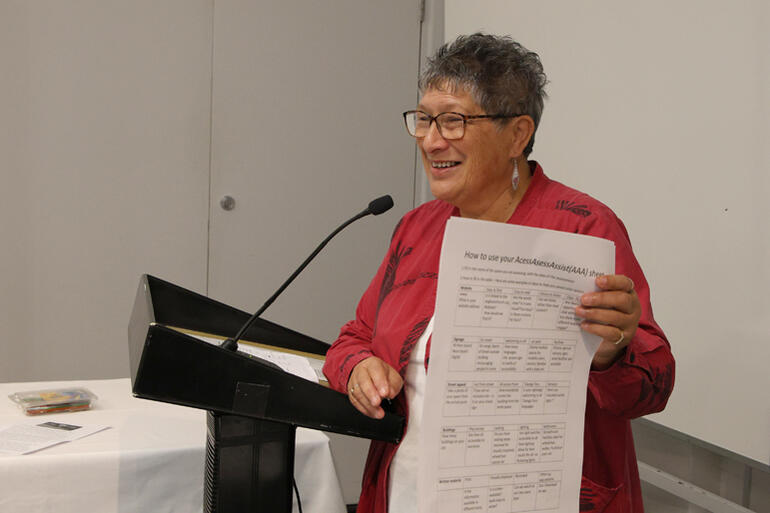
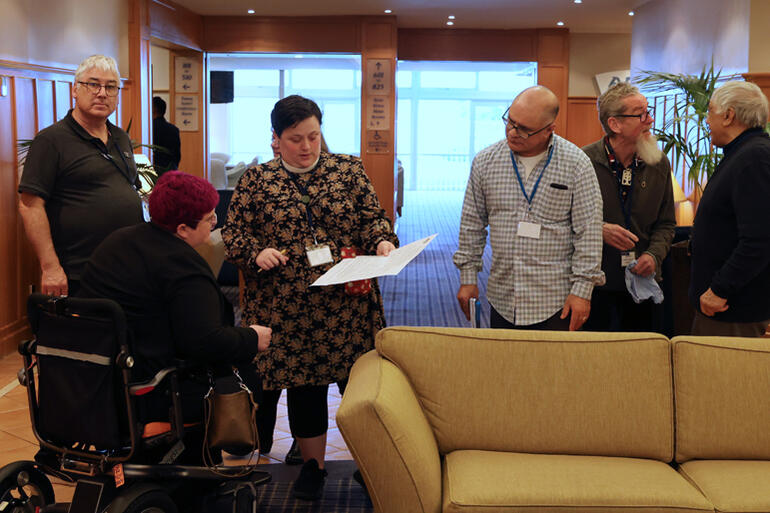
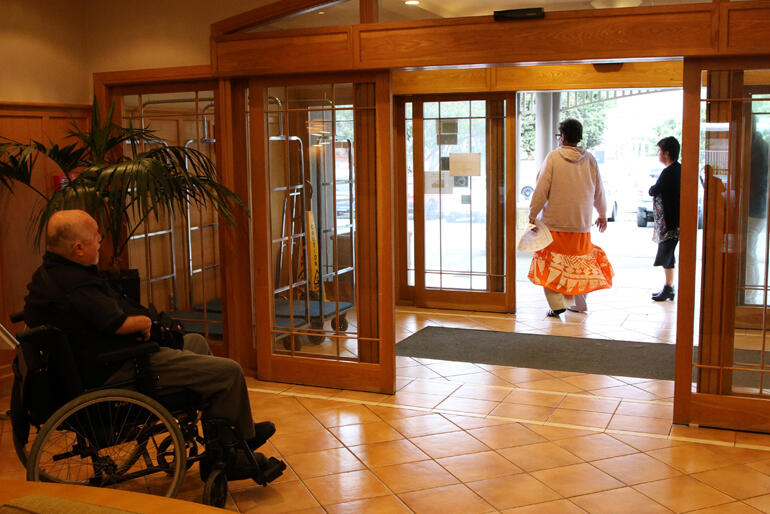
Lastly Disability Ministry Educator Cherryl Thompson sent the Summit on an auditing tour of the venue, to test its accessibility through a checklist for online information, signage, ramps, exits, doors, pool safety and more.
She emphasised that communities passing their accessibility audit need to stay vigilant as time goes on.
"I come from a sport background, so saying "We did that already" about accessibility is like an Olympic gold medallist saying, "I trained already" and then still expecting to win."
"We need to keep coming back to the practical details – to make sure our spaces are safe and ready to welcome anyone and everyone."
The Summit continued on Sunday with the celebration of a Disability Awareness Sunday Eucharist.





Comments
Log in or create a user account to comment.